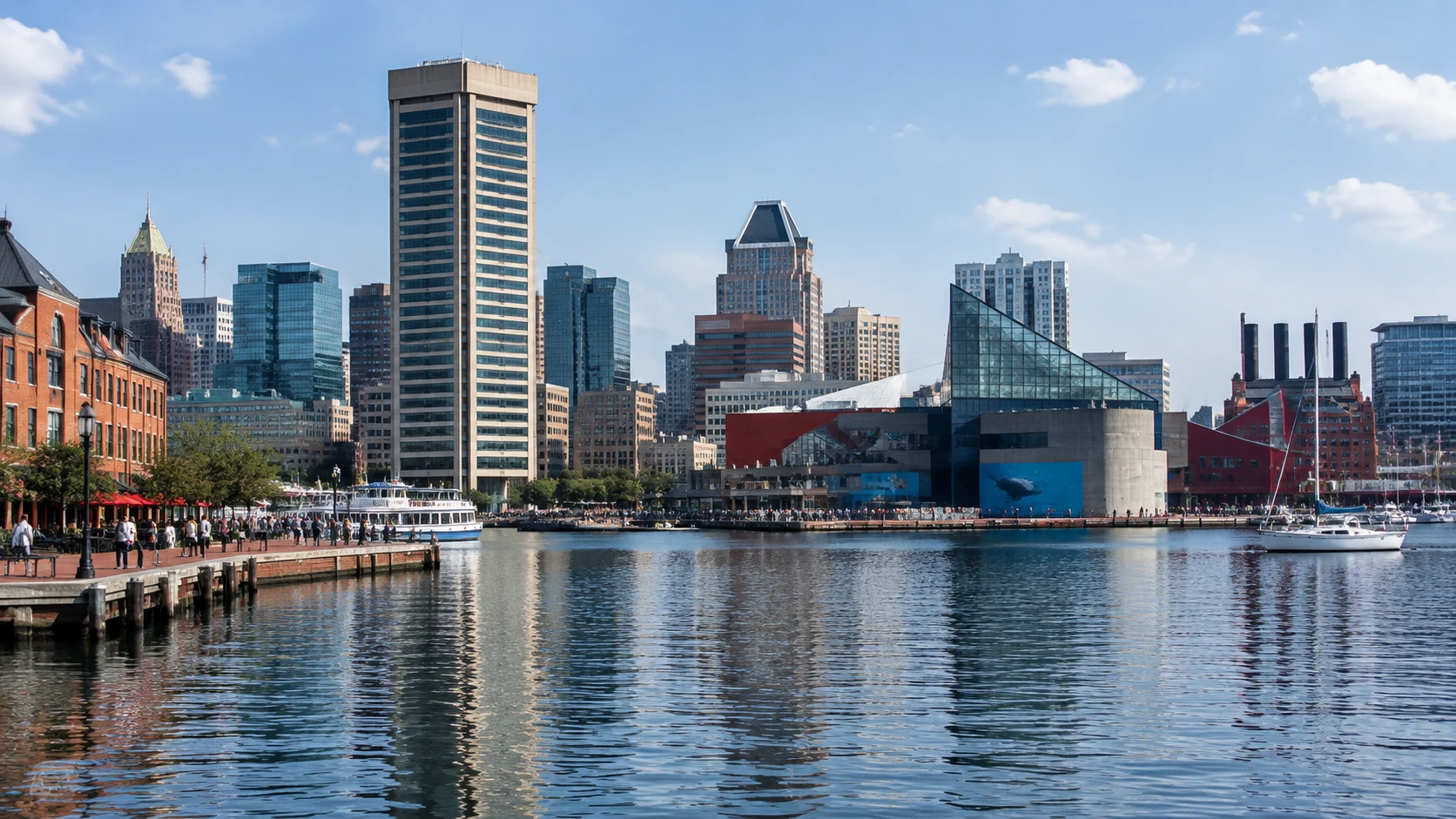
SAND × Baltimore
Signal City.
Editorial treatment · Lean crew draft
Baltimore visual concept · AI-generated
A five-part series with SAND's technology at the centre: the sensors, the world model, the consequence models — demonstrated in Baltimore, and deployable across industries all over the world.
Episodes
5 × 12 min
On location
30 days
Crew
3
Budget
$212,289
01 — The message
At the centre of all of this is the technology SAND builds.
A
Baltimore is the proof, not the product
The city is where the model is demonstrated in public, at scale, with real consequences. Every frame of the series answers one question: what did the model see, and what did it change?
B
One model. Every industry.
The same stack that reads Baltimore's air, pipes and traffic reads water networks, fibre, clinic networks and disaster response. What Baltimore proves, any sector anywhere can deploy.
C
The people who build it
SAND has some of the world's leading experts in world models. The series is anchored by their thinking on camera — not by marketing voiceover.
"One model. Every network. All outcomes."SAND · Symmetri platform
03 — Deployed across industries
The same model, another industry.
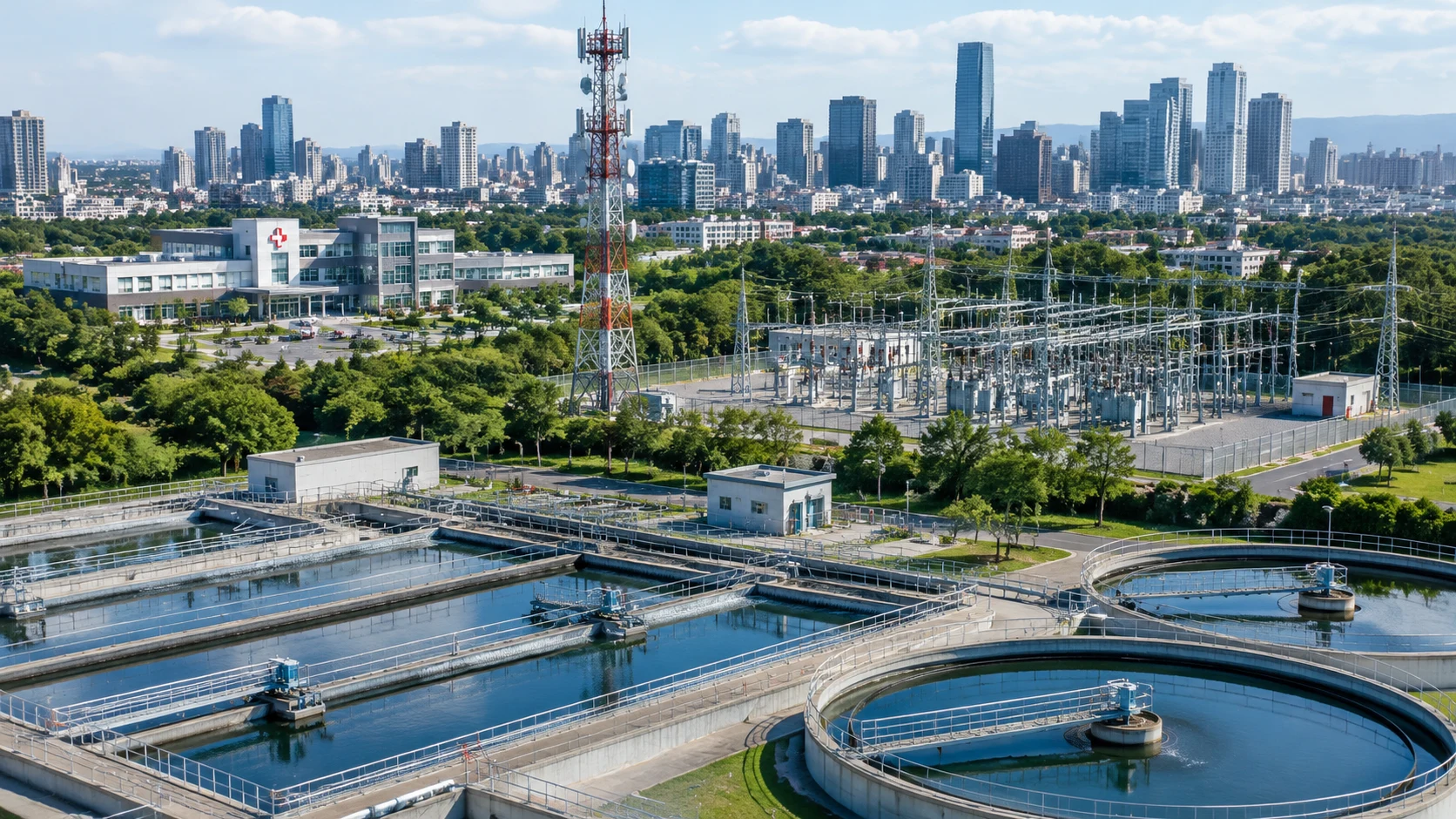
In production in 18+ countries across water, energy, telecom, healthcare and government, with zero mission-critical failures. Each sector below is a 30-second "elsewhere" tag inside the series — proof the Baltimore story is a template, not a one-off.
Smart Cities
PM2.5 down 20–45% on key corridors
Water Utilities
~£7M outage saved · 31,000 km unified
Telecommunications
$10–50M annual value · +8–15% traffic
Global Health Systems
Rural clinics into one network
Wastewater Utilities
Proof point to be confirmed by SAND
Energy
Proof point to be confirmed by SAND
Disaster Recovery
Proof point to be confirmed by SAND
Government
Proof point to be confirmed by SAND
04 — The experts
Some of the world's leading experts in world models.
The series is anchored by the people who build the technology. Interview slots below; names to be confirmed by SAND.
World Model lead / Chief Scientist
×1–2What a world model actually is — and what it isn't
NAME // TBC
Consequence Modelling lead
×1How a decision is tested before it is made
NAME // TBC
Sensor & edge hardware lead
×1The physical layer: what goes on a pole, a pipe, a roof
NAME // TBC
Autonomy levels lead
×1When the system recommends, assists or acts
NAME // TBC
Sector leads — water, telecom, health
×3The same model, another industry, in their words
NAME // TBC
Partner ecosystem lead
×1Who deploys this, and how fast
NAME // TBC
One problem. One model. One decision. Many possible futures.
Can a city make better decisions when it can see the consequences before it acts? In Baltimore, we follow the people living with one infrastructure problem and the SAND experts building a world model to understand it — from the first signal to a decision, its consequences and the possibility of taking that intelligence worldwide.
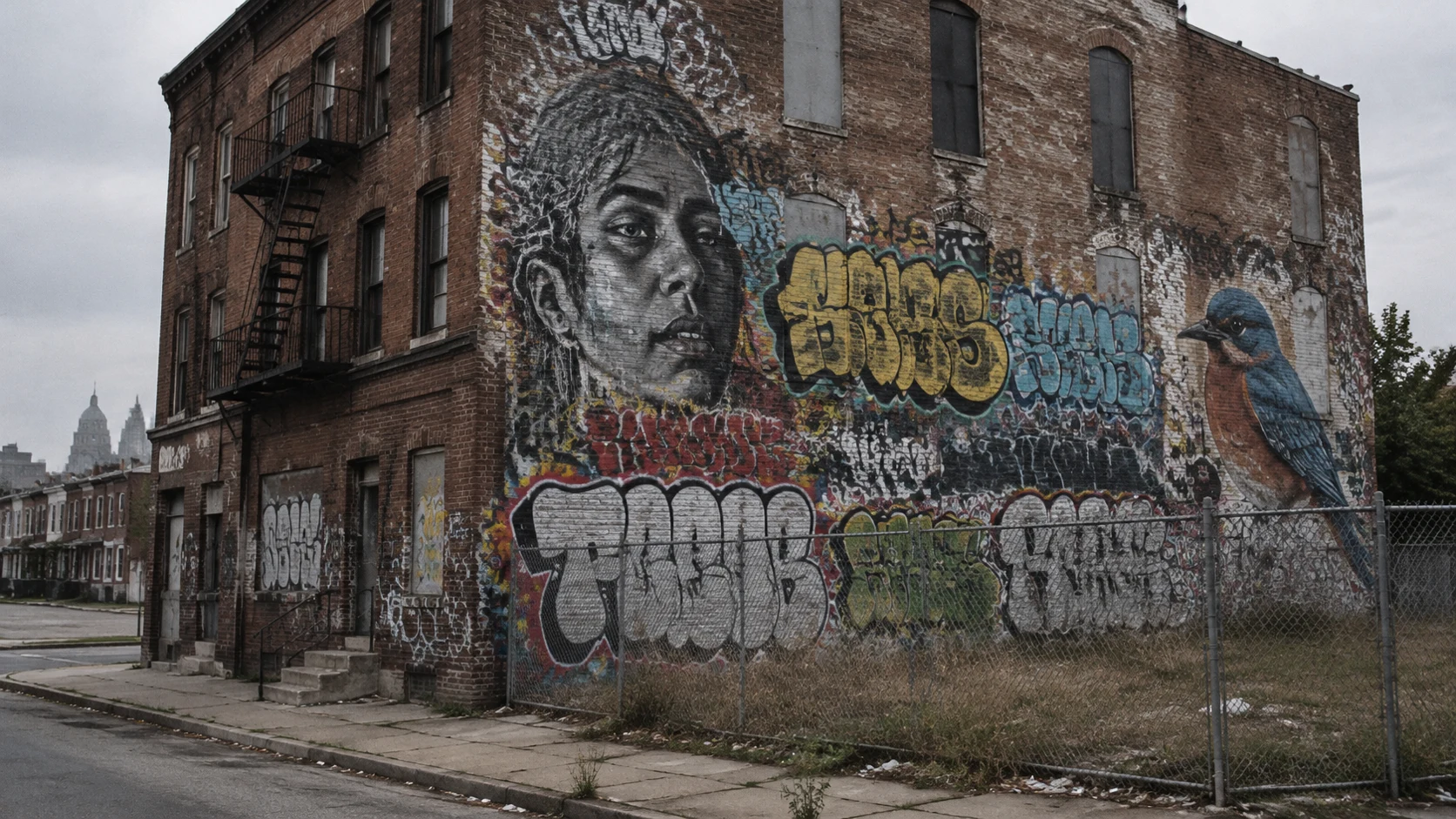
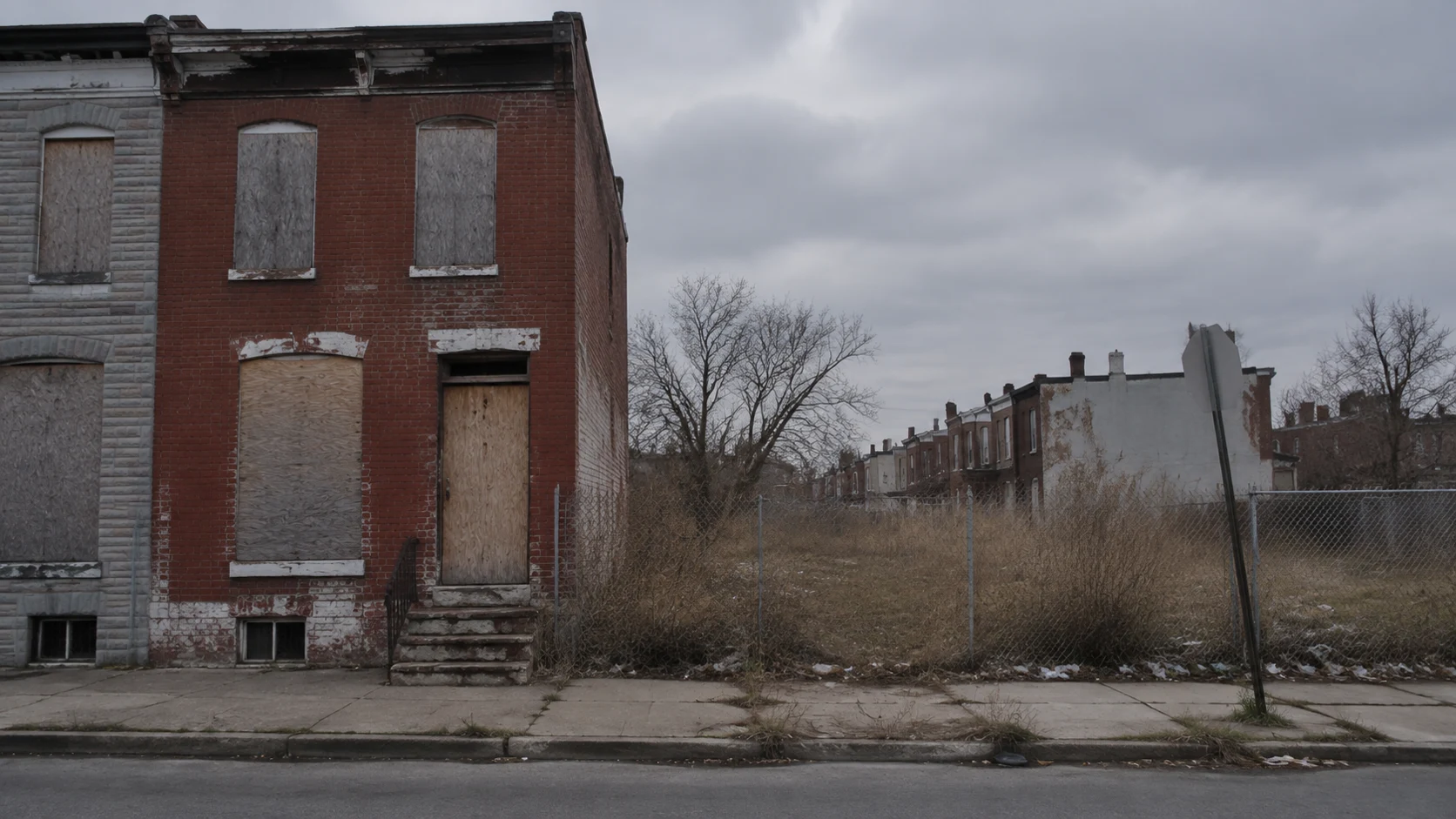
EDITORIAL TREATMENT · 5 × 12 MIN PROPOSED · ACCESS AND CASE TO BE CONFIRMED
The thread through all five films
Select one accessible Baltimore infrastructure challenge with SAND and its local partner. Follow the same resident or frontline worker, the same system and the same decision across all five films. Water reliability, street-level air quality or mobility are candidate threads, not confirmed deployments.
The lived experience
A resident or frontline operator gives the problem a human scale. Return to this person in the finale, without scripting a positive outcome.
The builder
A SAND world-model expert explains how the system works, what it knows and where it can be wrong — using the actual case rather than abstract promises.
The decision-maker
A city or utility partner weighs constraints, accountability and trade-offs. The model informs the choice; responsibility stays visible.
Return to the opening location and ask what changed, what did not and what remains unproven. Then take the underlying method into another industry using an approved, clearly attributed SAND case. Baltimore is the narrative lens; SAND’s reusable technology is the central character.
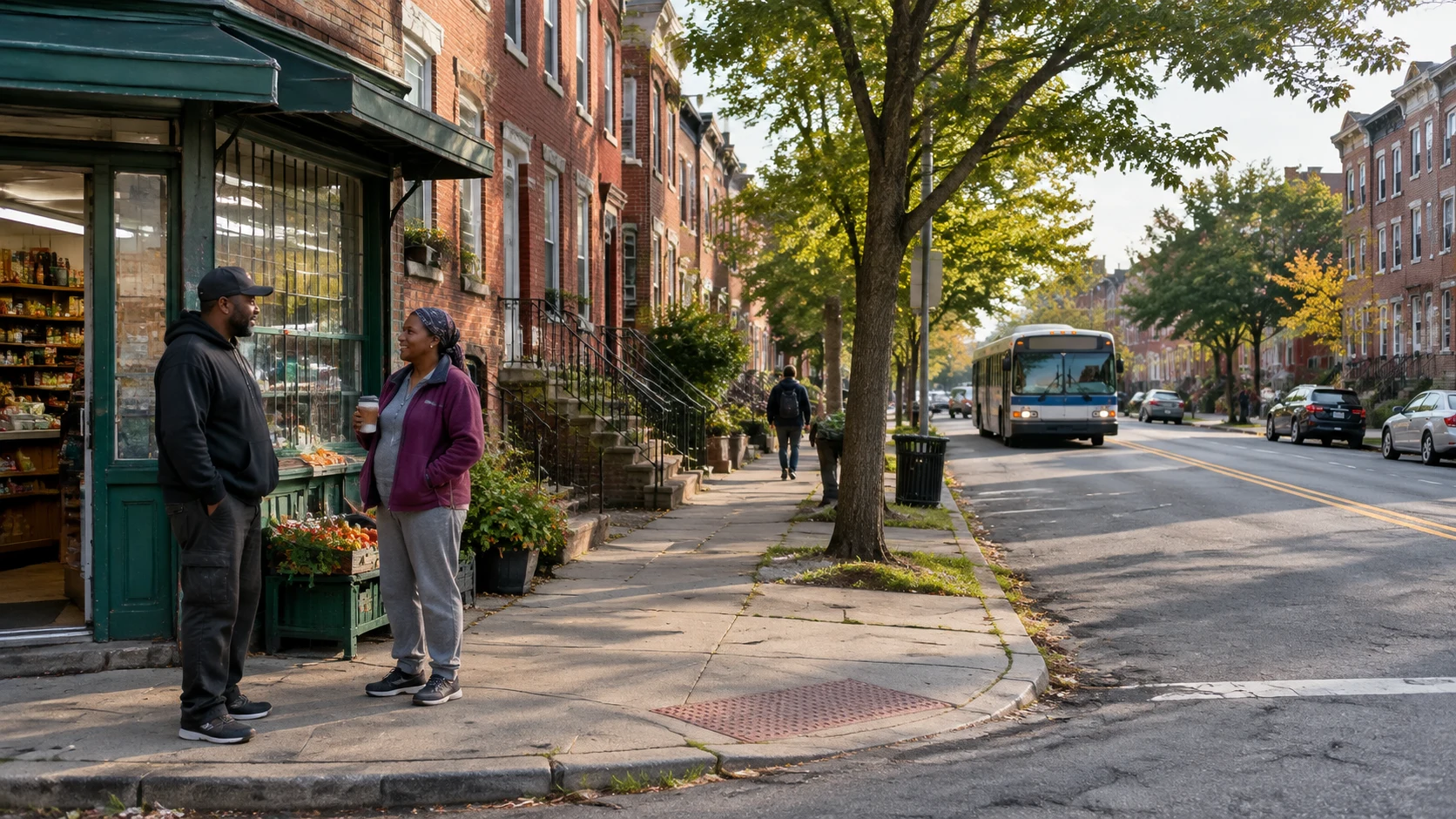
The City Wakes Up
The problem
MODEL // Sense
What does a city miss when it cannot see its systems as a whole?
Begin with an ordinary day interrupted by an infrastructure problem. A resident and an operator show us its real cost. A SAND expert proposes a different way of seeing the city, but the promise remains a question, not a conclusion.
Selected neighbourhood, frontline workplace, partner interview — access pending
Episode 01 treatment · story beats, scenes & interviews
12-minute story arc · proposed timings
- 00:00–01:00
Cold open
Observe the chosen problem as it affects a person’s day. Start with location sound and action; reveal the city after the human stakes.
- 01:00–03:00
The cost of not knowing
Walk the affected location with a resident and frontline operator. Show what information they currently have, what is missing and who bears the cost.
- 03:00–06:00
The proposition
The world-model lead explains why separate dashboards are not a system view. In a 90-second model sequence, connect a real asset, a measurement and a question.
- 06:00–10:00
Set the test
With the partner, define the decision to follow, the baseline, a success measure and the limits of a month-long shoot. Include a 30-second approved cross-industry example, identified by location and date.
- 10:00–12:00
The first unknown
Return to the person at the opening. End on the specific measurement needed next: before the city can decide differently, can it trust what it sees?
Scenes to capture
- — A daily routine affected by the chosen problem
- — An operator’s existing workflow and records
- — A joint walk-through of the selected site
- — Expert interview with a simple asset-to-system demonstration
Interview questions
- Resident / operator: What happens on a bad day, and what would a meaningful improvement look like?
- Partner: What decision is currently difficult, and what evidence would change it?
- World-model lead: What can a model add that a map or dashboard cannot?
The global connection
Use one approved SAND water, telecom or health example to establish that connected-system intelligence travels across sectors.
Evidence & access
Confirm the actual project, participant consent, baseline source, timeframe and permissions. Do not imply that general SAND sector results describe Baltimore.
Episode 2 follows the first signal from the physical world into the model.
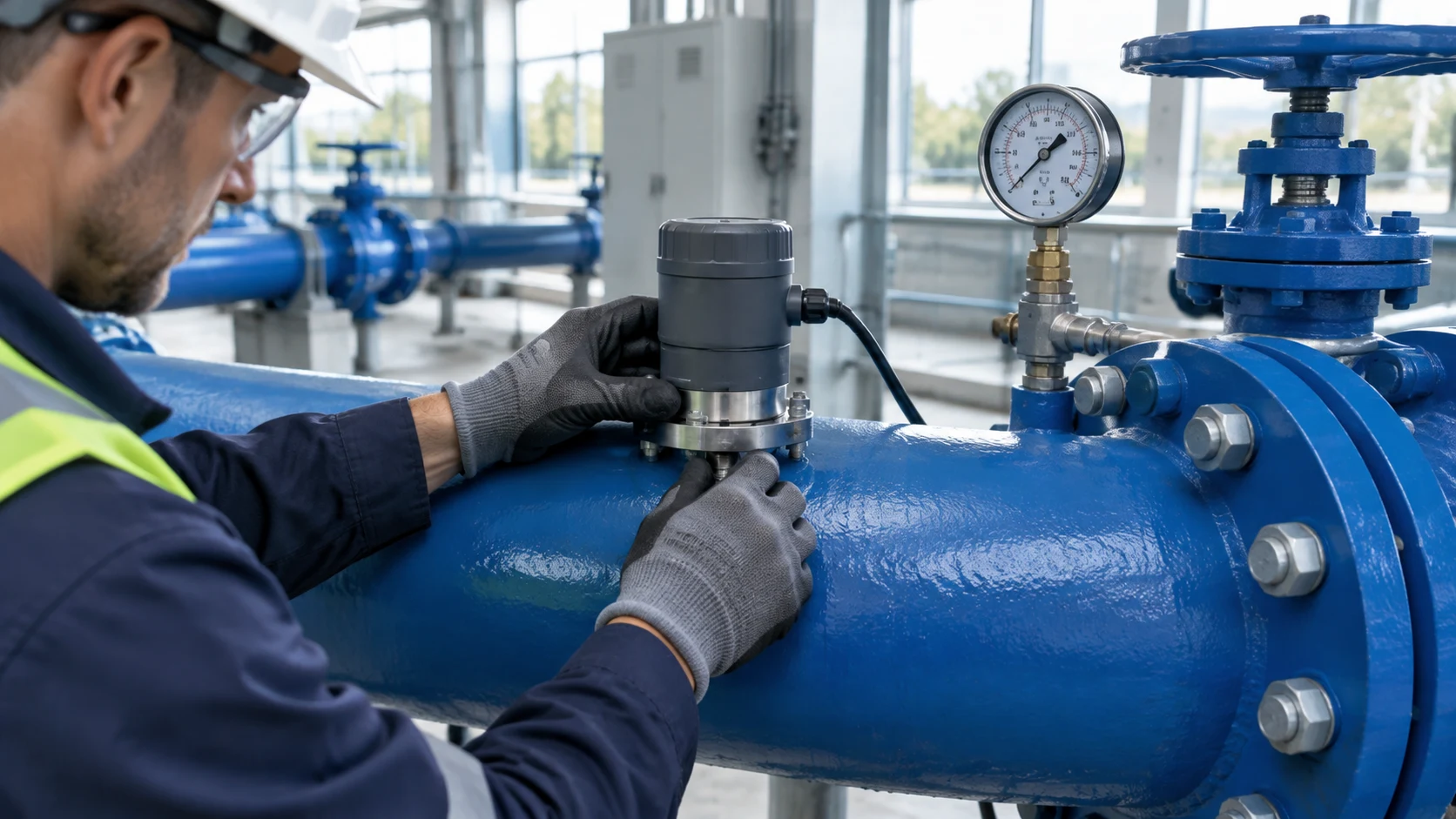
Nervous System
The signals
MODEL // Sense → Model
Can the model trust the world it is measuring?
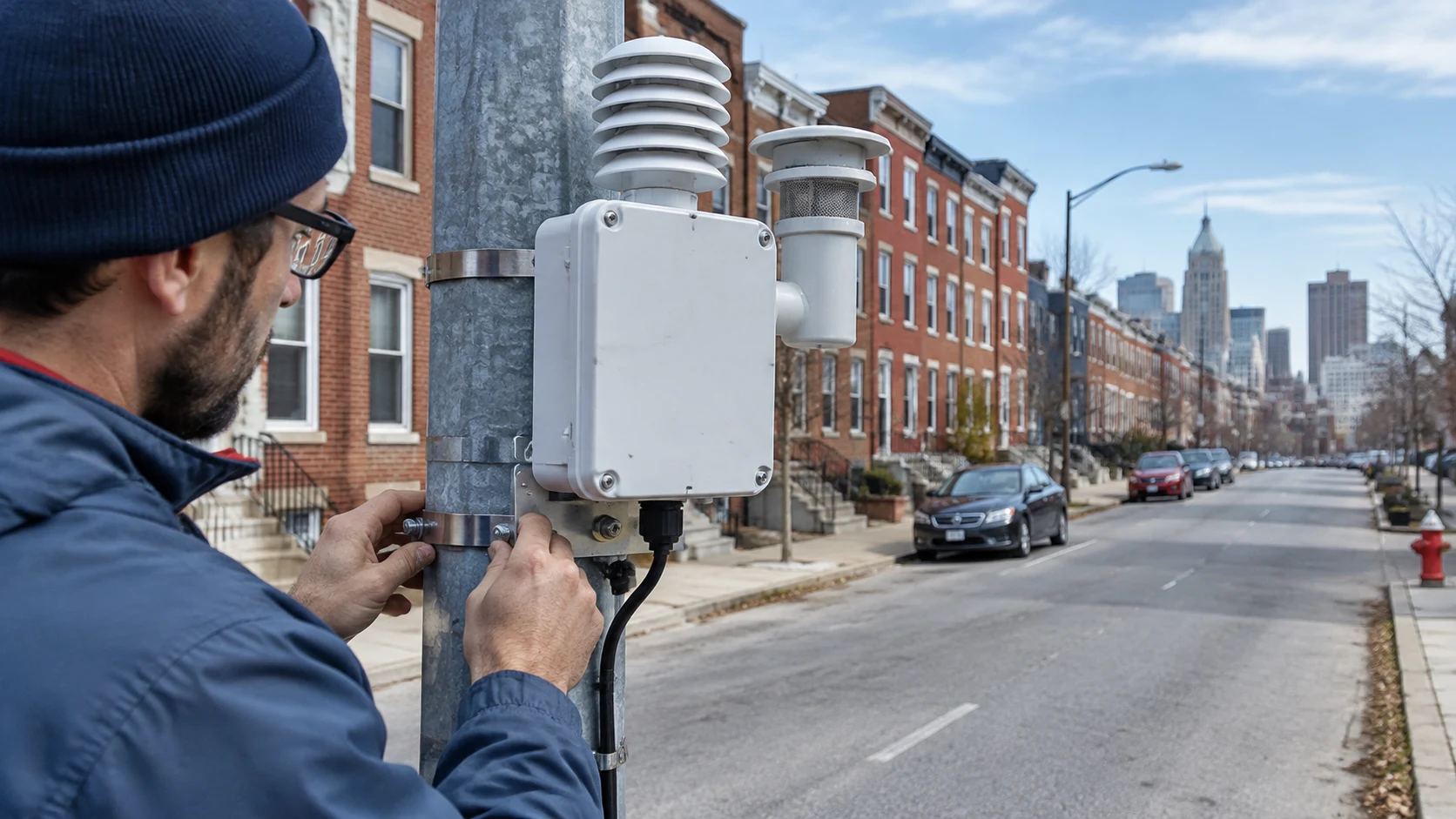
Follow a measurement from a physical sensor to a usable signal. Deployment, calibration and missing data reveal that intelligence depends on difficult work in the real world. The engineer, not the hardware beauty shot, carries the episode.
Approved sensor site, maintenance access, engineering workstation
Episode 02 treatment · story beats, scenes & interviews
12-minute story arc · proposed timings
- 00:00–01:00
A signal goes missing
Open on a real installation or maintenance challenge if available. If no live deployment occurs, observe an existing sensor inspection and label any demonstration.
- 01:00–03:00
Where to listen
The engineer explains placement, power, connectivity and what the instrument can actually measure. Link each choice to the problem from Episode 1.
- 03:00–06:00
Signal to meaning
Follow one time-stamped reading through the pipeline. The 90-second model sequence adds sensor coverage, units and gaps to the same system view.
- 06:00–10:00
Trust is engineered
Observe calibration and a quality check. Ask what happens with unreliable readings and what personal data is excluded. Add an approved cross-industry sensor example.
- 10:00–12:00
A pattern appears
Show a verified pattern or an unresolved data gap. A signal can describe what happened; the next film asks whether the model can explain the system.
Scenes to capture
- — Ground-access sensor inspection or permitted installation
- — Calibration against a reference measurement
- — Engineer tracing one reading on approved screens
- — Operator checking an alert against conditions on site
Interview questions
- Sensor lead: How do you know this reading is accurate?
- Data engineer: What happens when data is late, missing or wrong?
- Partner: What is collected, who can access it and what is deliberately not collected?
The global connection
Match the sensing principle to an approved water-network or telecom example; make sector-specific differences explicit.
Evidence & access
Secure site and screen access; record measurement units, timestamps and calibration context. Never stage an installation as live deployment or expose sensitive data.
Episode 3 turns separate signals into a model of relationships.
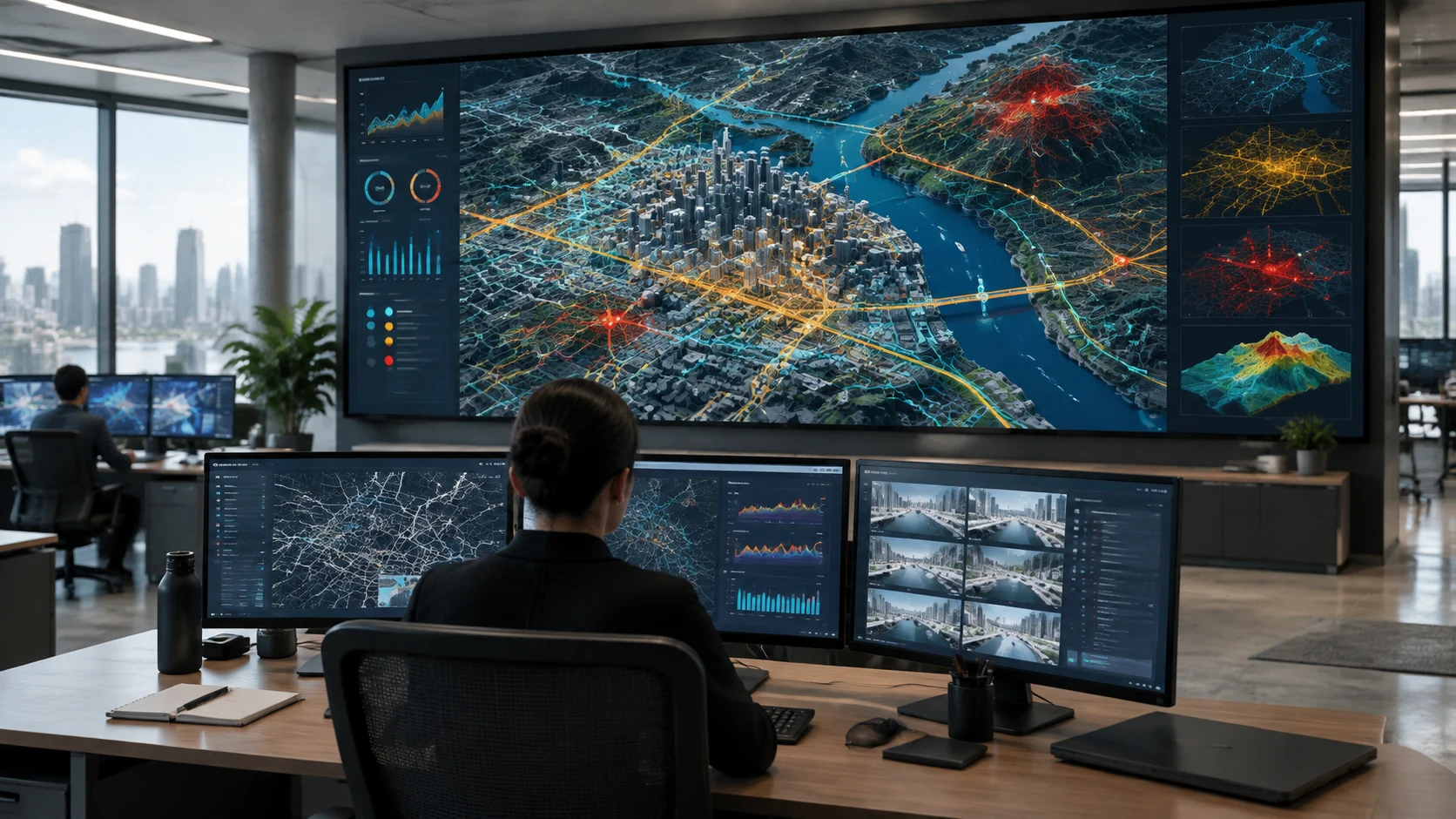
A Mirror of the City
The world model
MODEL // Model
What makes a world model useful — and how do we know when it is wrong?
Enter the thinking behind SAND’s technology. The experts build an explanation around the same Baltimore system: assets, relationships, behaviour and uncertainty. The decisive scene is a model being checked against reality, not a spectacular visualisation.
Approved operations room, expert interview space, return to the selected site
Episode 03 treatment · story beats, scenes & interviews
12-minute story arc · proposed timings
- 00:00–01:00
Something the dashboard missed
Open on a documented system interaction or an expert-led, clearly labelled example. Show why one isolated reading does not tell the whole story.
- 01:00–03:00
Meet the builders
The world-model lead explains the underlying approach with physical objects or a whiteboard. Ask how this differs from a digital map and what it does not claim to know.
- 03:00–06:00
Relationships, not dots
In the 90-second recurring sequence, connect assets, dependencies and behaviour. Show approved model screens alongside the corresponding real locations.
- 06:00–10:00
Reality checks
Follow one comparison between model output and observation. Explore mismatch, validation and confidence. Bridge to an approved water-network case without presenting it as Baltimore evidence.
- 10:00–12:00
The next question
The partner presents a real upcoming choice, if one is accessible. The model describes the system; now we ask what might happen if the choice changes.
Scenes to capture
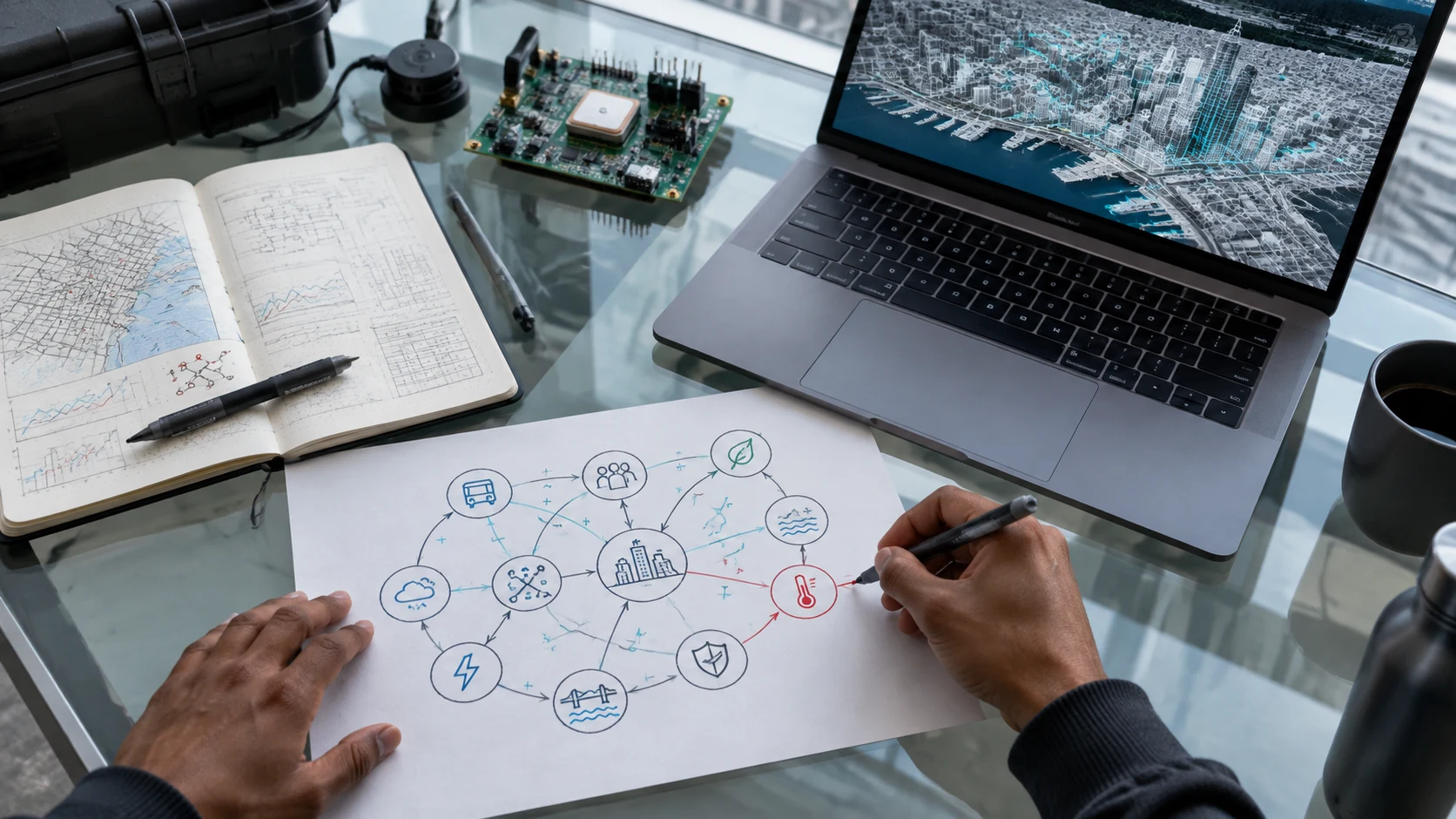
- — World-model expert drawing system relationships
- — Approved model screen paired with the physical asset
- — Operator and scientist reviewing a model-to-reality comparison
- — Partner defining a candidate decision and constraints
Interview questions
- World-model lead: What is represented, and what is outside the model?
- Scientist: How is the model validated and how is uncertainty communicated?
- Operator: Where does your experience agree or disagree with the model?
The global connection
An approved water-network case demonstrates transferable relationships, while acknowledging different data and operating constraints.
Evidence & access
Confirm SAND’s precise terminology and technical claims. Label simulations and illustrative graphics; show validation context rather than suggesting perfect prediction.
Episode 4 puts competing choices into a consequence model.
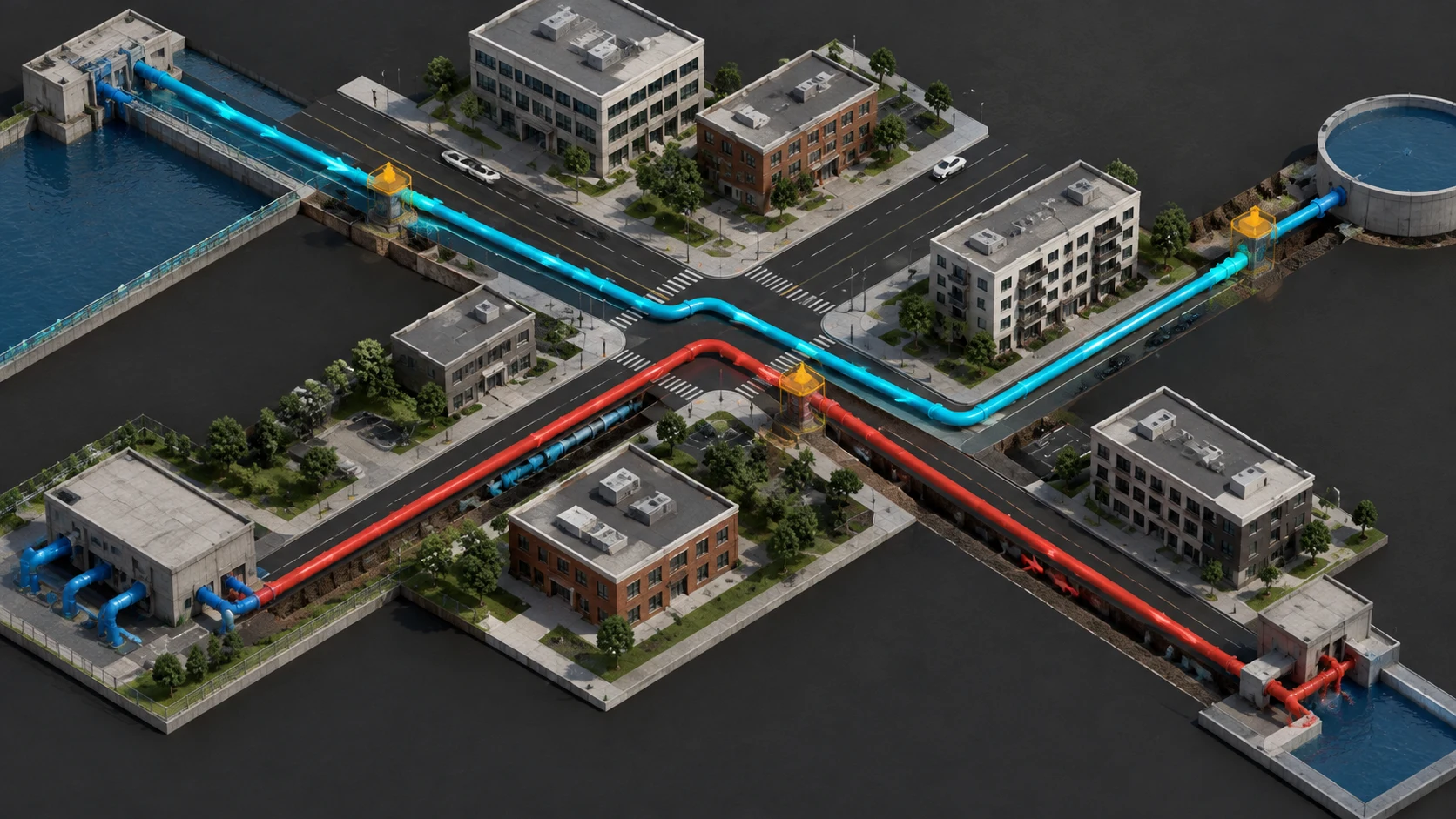
What Happens If
The decision
MODEL // Test → Act
Can we compare consequences before committing to a decision?
Follow one choice from the problem to alternative scenarios, trade-offs and a human decision. SAND’s consequence modelling makes the competing futures visible. The drama comes from disagreement and accountability, not a predetermined winning answer.
Partner decision meeting, modelling workstation, affected site
Episode 04 treatment · story beats, scenes & interviews
12-minute story arc · proposed timings
- 00:00–01:00
Two possible futures
Open on two clearly labelled scenarios for the same problem. State that these are modelled possibilities, not footage of outcomes.
- 01:00–03:00
Who chooses?
The partner defines options, budget and operational constraints. Return to the resident or operator to establish what the choice means on the ground.
- 03:00–06:00
Run the alternatives
The 90-second model sequence compares the baseline and alternatives using the same assumptions and time horizon. Ask which inputs could change the ranking.
- 06:00–10:00
The trade-off
Film the discussion: who benefits, who may lose and who authorises action? Explain recommended, assisted or automatic operation only as applicable to the real system. Include an approved telecom or health comparison.
- 10:00–12:00
A choice, or a pause
Record the decision and its rationale. If action is not approved within the shoot, end with what evidence or permission is still needed, rather than inventing implementation.
Scenes to capture
- — Side-by-side approved scenario review
- — Partner and expert discussing competing priorities
- — Walk-through with the person affected by the decision
- — Documented approval, deferred decision or supervised action
Interview questions
- Consequence lead: Which assumptions drive the result, and what could reverse it?
- Decision-maker: Who is accountable and what would make you reject the recommendation?
- Resident / operator: Which trade-off matters most to you?
The global connection
Use an approved telecom or health case to show the same decision-testing method under different constraints.
Evidence & access
Get approval to film the decision and publish scenarios. Separate predicted effects from measured outcomes; confirm the actual autonomy level and human oversight.
Episode 5 returns to the baseline and examines what can actually be demonstrated.
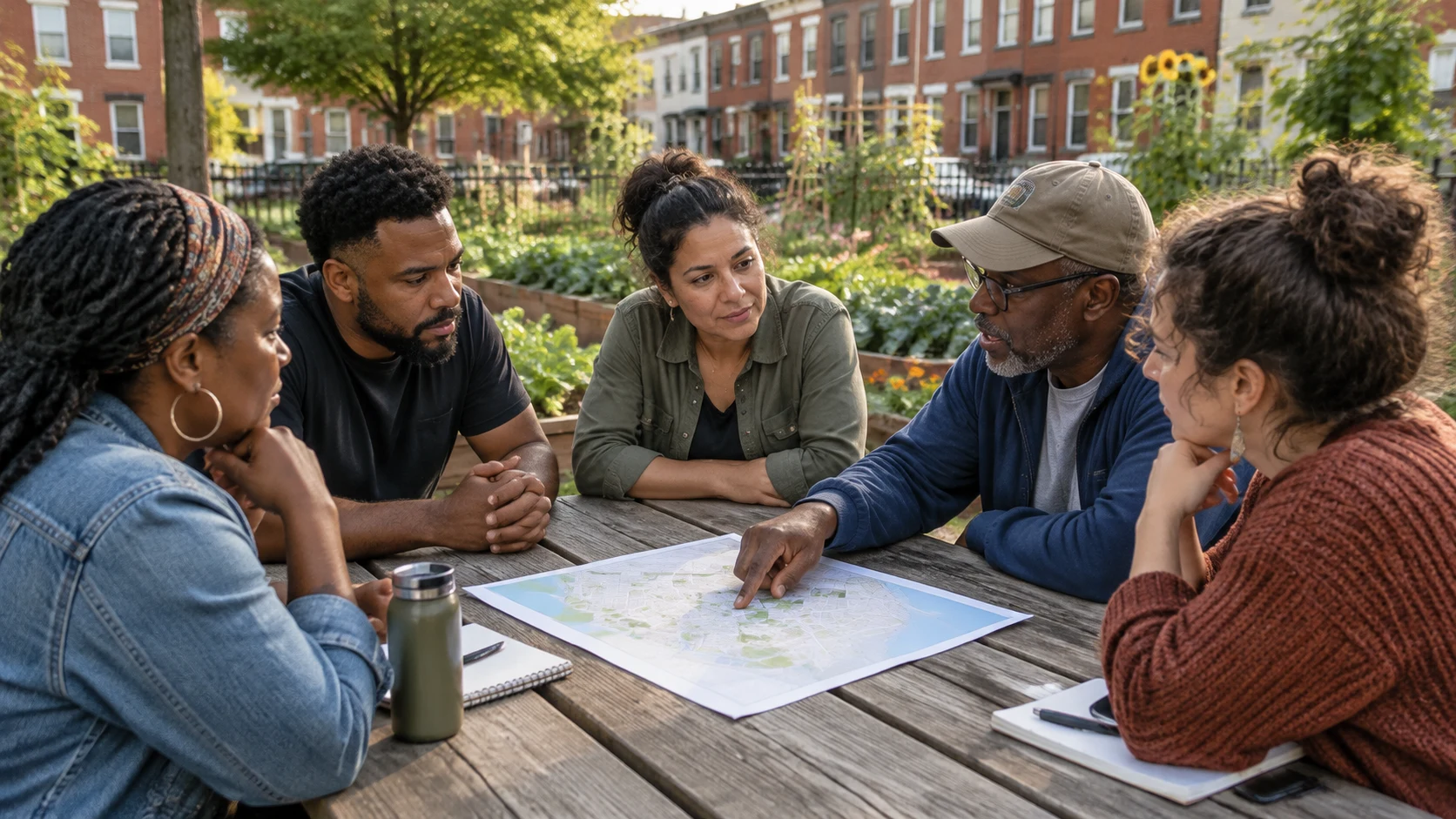
Turning the City
The impact and the horizon
MODEL // Act → Scale
What changed, what remains unproven, and what can travel beyond Baltimore?
Return to the people and places of the opening film. Separate observed change, early indications and future expectations. The ending opens outward: SAND’s technology is designed for many industries, but durable impact depends on data, local expertise, trust and follow-through.
Opening locations revisited, community conversation, partner and sector-lead interviews
Episode 05 treatment · story beats, scenes & interviews
12-minute story arc · proposed timings
- 00:00–01:00
The same place, later
Match the opening shot and daily routine. Let the person describe the difference — including no noticeable difference if that is their experience.
- 01:00–03:00
What the evidence says
Compare like-for-like measures with dates and sources. State what the shoot window cannot establish and identify other factors that may explain a change.
- 03:00–06:00
Close the loop
The final 90-second model sequence follows signal, model, scenario, decision and observation. Mark each stage as measured, simulated or pending.
- 06:00–10:00
Beyond one city
Residents and partners discuss trust and ownership. Sector leads connect the underlying method to approved water, telecom or health cases, with attributed evidence rather than a claims montage.
- 10:00–12:00
A future still being built
Return to the opening participant and the central question. End with the next milestone and who will measure it: the ambition is worldwide, the proof must remain local and accountable.
Scenes to capture
- — Matched return visit to the Episode 1 location
- — Partner reviewing dated baseline and follow-up records
- — Small consented community conversation
- — Sector-lead interviews paired with approved case material
Interview questions
- Resident / operator: What has changed for you, and what still needs attention?
- Partner: What can you prove today and when will longer-term impact be assessed?
- Sector lead: What transfers to your industry, and what must be adapted locally?
The global connection
Close with approved global cases and a clear distinction between established deployments and proposed future applications.
Evidence & access
Do not promise a city turnaround in one month. Attribute global results to their actual projects; distinguish independently measured outcomes, partner reports and model forecasts.
Series resolution: better visibility can support better decisions; outcomes must be tested, measured and earned.